

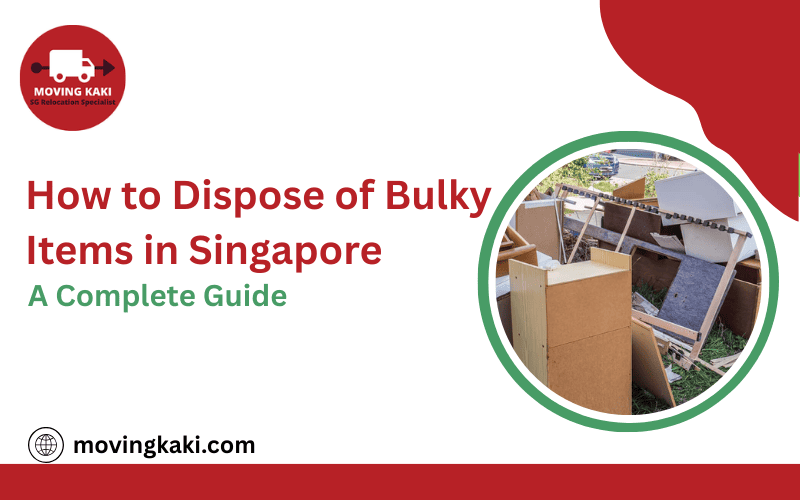
Struggling to get rid of that old sofa, mattress, or fridge taking up space at home? It’s easy to feel stuck. Leaving bulky items on the street or cramming them into a corner might seem like a quick fix, but it can lead to fines, safety hazards, and even legal trouble. Disposing of bulky items in Singapore doesn’t have to be stressful.
With clear rules and practical options, you can clear your space safely, responsibly, and even give unwanted items a second life. This guide will show you exactly how to dispose of bulky items in Singapore without the headache.
What You Need to Know About Bulky Item Disposal in Singapore
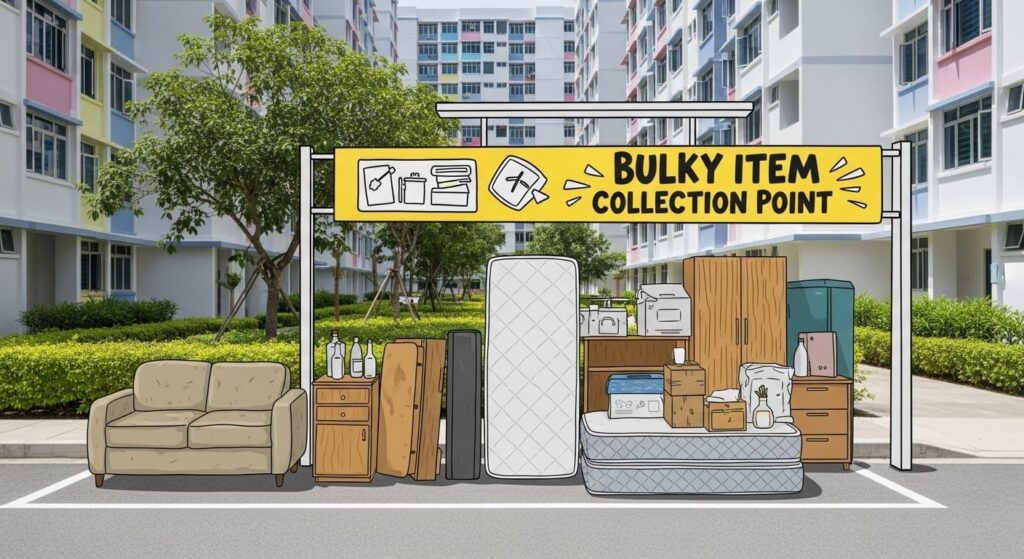
The National Environment Agency (NEA) regulates the disposal of bulky items in Singapore. Following the rules keeps your neighbourhood clean and prevents fines. Key points to remember:
- Place bulky items outside only on the scheduled collection date.
- Do not dump items illegally.
- Electronics and hazardous materials must be recycled through approved channels.
- HDB residents should follow HDB-specific procedures for the disposal of bulky items.
- Avoid hiring unlicensed collectors, as it’s illegal.
How to Dispose of Bulky Items in Singapore
The following methods work for all residents, whether you live in an HDB flat or a private home, so that everyone can clear their space safely and responsibly.
1. NEA Bulky Item Collection
The easiest way to dispose of large items is through NEA’s bulky item collection. You can book online or by phone. Fees are generally affordable, and NEA sets limits on the number and type of items collected.
- Schedule your collection ahead of time.
- Keep items clean and safe to move.
- Check which items NEA will accept before placing them out.
2. Private Waste Management and Licensed Contractors
Private contractors are a good option if you have many items or need faster collection. Always hire a licensed bulky waste disposal contractor for safe and legal disposal in Singapore.
- Licensed contractors ensure safe and legal disposal.
- Can handle multiple items or large clearances efficiently.
- May offer recycling of electronics or hazardous materials.
- Scheduling is more flexible than government services.
3. Donate or Recycle Your Bulky Items
Charities and second-hand shops often take furniture, electronics, and household items in good condition. Recycling old appliances and electronics helps reduce waste.
- Gives items a second life for someone who needs them.
- Helps reduce landfill waste.
- Often free or low-cost.
For a detailed breakdown of furniture-specific disposal methods, you can also read our guide on how to dispose of unwanted furniture in Singapore.
4. Sell or Give Away Your Items Online
Platforms like Carousell and Facebook Marketplace make it easy to sell or give away items.
- Take clear photos that accurately show the item.
- Include detailed descriptions.
- Arrange pick-ups safely with buyers.
Common Mistakes to Avoid When Disposing of Bulky Items
Disposing of large items might seem straightforward, but a few missteps can cause fines, accidents, or unnecessary stress:
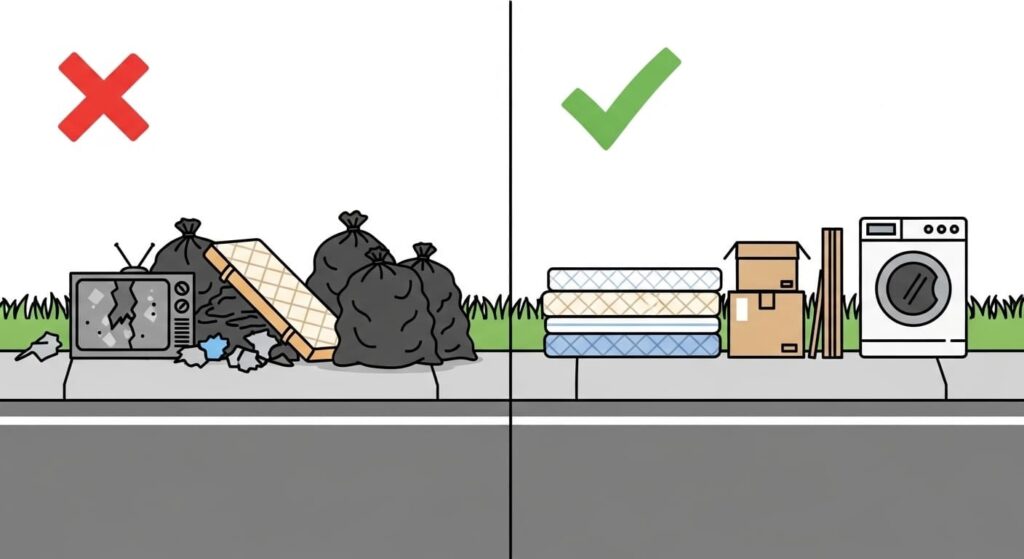
- Leaving items on the street without booking a bulky collection in Singapore.
- Using unlicensed collectors, which is illegal and risky.
- Overlooking chances to donate or recycle items that are still usable.
- Not preparing items properly can cause accidents during handling or transport.
Safety and Legal Risks When Disposing of Bulky Items
Disposing of bulky items the wrong way isn’t just illegal, it can also be unsafe:
- Fines and penalties: Dumping items illegally can result in hefty fines.
- Health risks: Mouldy, broken, or sharp items can cause injuries.
- Fire hazards: Electronics or flammable materials that aren’t disposed of properly can start fires.
Handling items correctly keeps you safe, avoids legal trouble, and protects your home and community.
Bulky Item Disposal Costs in Singapore
Disposing of bulky items can cost a little, but knowing your options helps you plan:
- NEA collection: Usually S$10–20 per item, depending on size.
- Private contractors: Around S$75–200 per item, depending on size and service.
- Bins or skips: For large clearances, prices start at S$400.
- Save money: Donating or recycling items is often free.
Conclusion
Getting rid of bulky items in Singapore doesn’t have to be a headache. Whether you use NEA bulky item collection, hire a licensed private contractor, donate, recycle, or sell items online, there are safe and practical options for every situation.
By following the rules, preparing your items properly, and avoiding common mistakes like illegal dumping or unlicensed collectors, you can clear your space efficiently, protect your neighbourhood, and even help the environment or someone in need. With a bit of planning, bulky waste disposal in Singapore can be simple, safe, and stress-free.
FAQs
1. How much is the free disposal of bulky items in Singapore?
NEA provides free collection for specific items, but some items may have a small service fee. Booking in advance ensures you know the exact cost.
2. How to arrange for bulky disposal in HDB flats?
HDB residents can book bulky item collection online via the HDB website or through NEA’s portal. Items must be placed at the designated collection point on the scheduled date.
3. What is the recycling rate in Singapore?
Singapore has a recycling rate of around 60% for specific household waste, but recycling rates for bulky items like furniture and appliances depend on whether they are sent to licensed recyclers.
4. How long does NEA collection take?
After booking, NEA usually collects bulky items within 3–5 working days, depending on demand and location.
5. Can I dispose of hazardous items like electronics or paint?
No. Electronics and hazardous materials must be recycled or disposed of at designated collection points. Many private contractors and recycling centres handle these items safely.


