

Life in Singapore moves fast, and space often feels like something everyone is chasing. Homes are smaller, schedules are hectic, and the things you need to keep can quickly pile up. Maybe you’re renovating, moving between apartments, storing business inventory, or trying to declutter your home, but you just don’t have the room.
Choosing the right storage solutions in Singapore is key. Short-term storage offers flexibility for temporary needs, while long-term storage gives stability for items you want to keep safe for months or years. The wrong choice can cost you time, money, and peace of mind, but the right one frees up your space, protects your belongings, and makes life simpler and less stressful.
What Is Short-Term Storage?
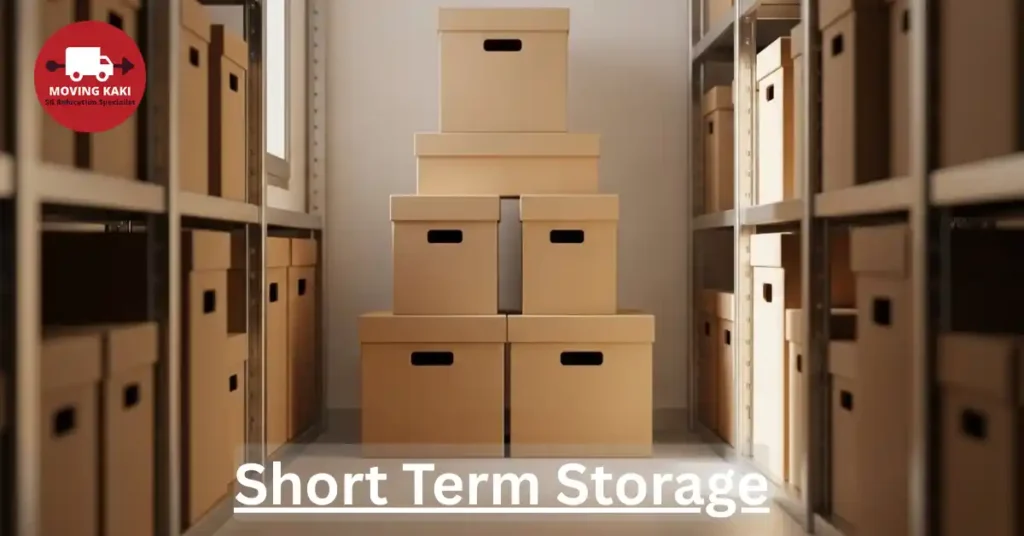
Short-term storage is meant for keeping your belongings safe for a short period, usually a few weeks to a few months. It’s perfect for items you need to access quickly or frequently, without committing to a long-term plan.
When Short-Term Storage Is the Better Fit
Short-term storage in Singapore works best in situations where your needs are temporary or changing fast, such as:
- Moving to a new home, but not ready to unpack
- Renovating parts of your home
- Decluttering before hosting guests or selling your flat
- Storing items during short trips or school breaks
Benefits of Choosing Short-Term Storage
Short-term storage gives you flexibility and convenience:
- Flexible plans: No long contracts; you can upgrade, downsize, or cancel easily
- Quick access: Grab your items whenever you need them
- Fast setup: Move in and move out without hassle
- Cost-effective for temporary needs: You only pay for the time you actually use
What Is Long-Term Storage?
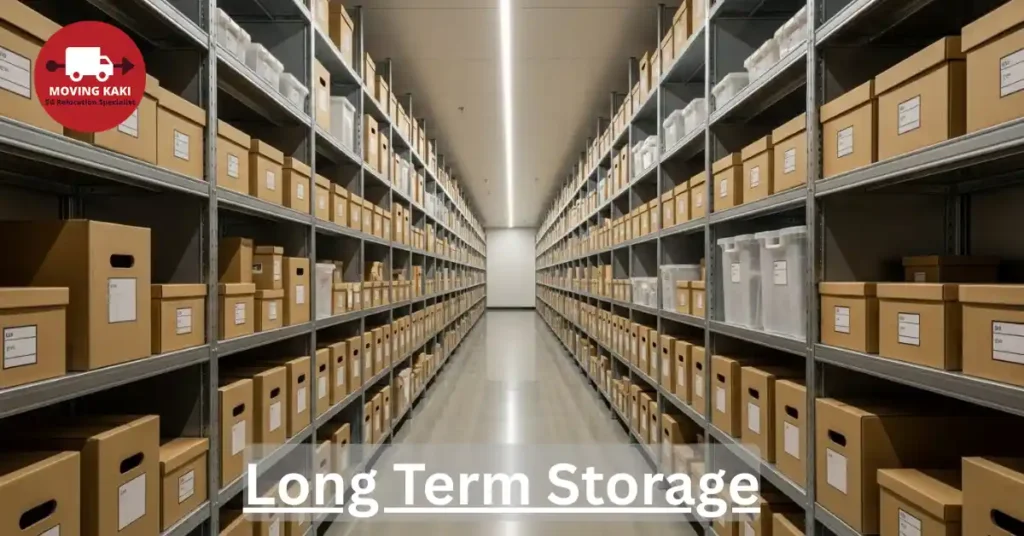
Long-term storage in Singapore is meant for keeping your belongings safe for months or even years. It’s perfect for items you don’t need to access every day but want protected, secure, and well taken care of.
When Long-Term Storage Is the Better Fit
Long-term storage is ideal for situations where stability and protection are more important than quick access, such as:
- Storing items during overseas work assignments or long-term relocations
- Keeping furniture or household items that you can’t fit in your home
- Securing business inventory or archives that need reliable storage
- Safeguarding sentimental or valuable belongings
- Storing seasonal items that are only used occasionally
Benefits of Choosing Long-Term Storage
Long-term storage offers convenience, security, and value:
- Cost-effective over time: Lower monthly rates make it more affordable for extended storage
- Extra protection: Climate-controlled storage helps preserve sensitive items like electronics, documents, or furniture
- Stable and reliable: No need to switch plans or worry about frequent renewals
- Great for bulk storage: Easily accommodates large items or high-volume belongings
Get secure and convenient storage space in Singapore with Moving Kaki.
Short-Term vs Long-Term Storage: A Side-by-Side Comparison
| Feature | Short-Term Storage | Long-Term Storage |
| Duration & Commitment | A few weeks to a few months; great for temporary needs or life in transition | Months to years; ideal for long-term protection and peace of mind |
| Cost | Slightly higher monthly rates; pay only for the time you need | Lower monthly rates; more cost-effective for extended storage |
| Convenience & Access | Quick, frequent access to items | Best for items you rarely need but want to be secure |
| Security & Protection | Standard security and basic climate control | Enhanced protection and optional climate control for delicate or valuable items |
| Space & Scalability | Flexible for small to medium storage; easy to upgrade or downsize | Perfect for large volumes, bulky items, or business inventory |
How to Decide Which Storage Option Works for You
Choosing the right storage isn’t just about duration or cost; it’s about what fits your life, your belongings, and your future plans. Consider these key factors:
1. Storage Goal
Are you clearing space temporarily, moving, or decluttering for a short period? Or are you storing items you want to keep safe for years, like furniture, business inventory, or sentimental belongings? Your goal will guide your choice.
2. Frequency of Access
If you need frequent access, a short-term unit is more convenient. For items you rarely touch, long-term storage offers peace of mind without constant visits.
3. Value and Sensitivity of Items
Delicate, expensive, or sentimental items may need long-term storage with climate control and added protection. Every day, or less fragile items, are fine in short-term units.
4. Life Transitions
During moves, renovations, study abroad, or business growth, short-term storage offers flexibility. Long-term storage works when you need stability and consistent protection.
5. Budget and Timeline
Short-term storage costs more per month but gives flexibility. Long-term storage is more economical for longer commitments. Weigh your timeline and budget to find the balance that works best.
Popular Storage Uses in Singapore
- Household items: Free up space for furniture, décor, or seasonal items.
- Business storage: Keep documents, inventory, or equipment organised and secure.
- Student belongings: Store luggage or books during semester breaks.
- Furniture & appliances: Protect large items safely when not in use.
- E-commerce & SMEs: Convenient storage for inventory without renting extra space.
How to Choose the Right Storage Provider in Singapore
Choosing the right provider can make all the difference. Here’s what to look for:
- Strong Security: 24/7 CCTV, controlled access, and fire-safety systems keep your belongings safe.
- Flexible Contracts: Easily resize, upgrade, or downsize your unit as your needs change.
- Transparent Pricing: No hidden fees or surprise charges, what you see is what you pay.
- Reliable Support: Friendly, responsive service makes moving and storing stress-free.
Tips to Maximise Your Storage Experience
- Choose the Right Unit Size: Pick a space that fits your items comfortably without wasting room.
- Pack and Label Clearly: Use sturdy boxes, protect fragile items, and label everything for easy access.
- Keep Frequently Used Items Accessible: Store essentials at the front to save time and stay organised.
- Make Use of Vertical Space: Stack safely or add shelves to maximise every inch.
- Consider Climate-Controlled Units: Ideal for electronics, documents, leather, artwork, and wooden furniture.
Conclusion
In Singapore’s fast-paced life, the right storage solution can make all the difference. Short-term storage provides flexibility for temporary needs, while long-term storage ensures stability and protection for items you want to keep safe for months or years.
Matching your storage choice to your timeline, belongings, and access needs, along with choosing the right provider, frees up space, protects your items, and simplifies your life. From personal storage to business storage, having the right storage space rental solution gives you peace of mind and the freedom to focus on what truly matters.
FAQs
1. What items can I store in a storage unit?
2. How long can I rent a storage unit?
3. Can I access my storage unit anytime?
4. Is my stuff safe in storage?
Good storage facilities offer round‑the‑clock security with CCTV, controlled access, and regular monitoring. For sensitive items like electronics or documents, climate‑controlled units help prevent humidity or heat damage.


