


Moving your belongings into a storage unit can feel stressful. You worry about fragile items breaking, furniture getting scratched, or that cherished keepsake being lost in a pile of boxes. The last thing you want is to open the unit weeks or months later and find damage, musty smells, or chaos.
The problem isn’t the storage unit itself; it’s how items are packed. Poor planning, weak boxes, or careless stacking can turn even a simple storage experience into a headache. The solution? Thoughtful, organised packing that protects your items, saves space, and makes retrieval simple.
With the right approach, you can store your belongings confidently, knowing they’ll stay safe, intact, and ready whenever you need them. Whether you’re storing your belongings for a few weeks or several months, these packing strategies will help you keep your belongings safe and organised.
The Complete Guide to Packing Items for Storage
1. Plan Before You Pack
Rushing into storage without a plan often leads to damage and wasted time. Start by deciding what truly belongs in storage. Only store items that are useful, valuable, or meaningful; broken or unwanted items waste space and increase costs. Create a simple storage unit checklist to keep everything organised and make sure nothing important is forgotten. Finally, choose the right storage unit size. A unit that’s too small can crush boxes, while one that’s too high costs more than necessary. Aim for a unit that allows safe stacking and enough walking space, making your move and storage experience stress-free.
2. Choose Packing Materials That Actually Protect
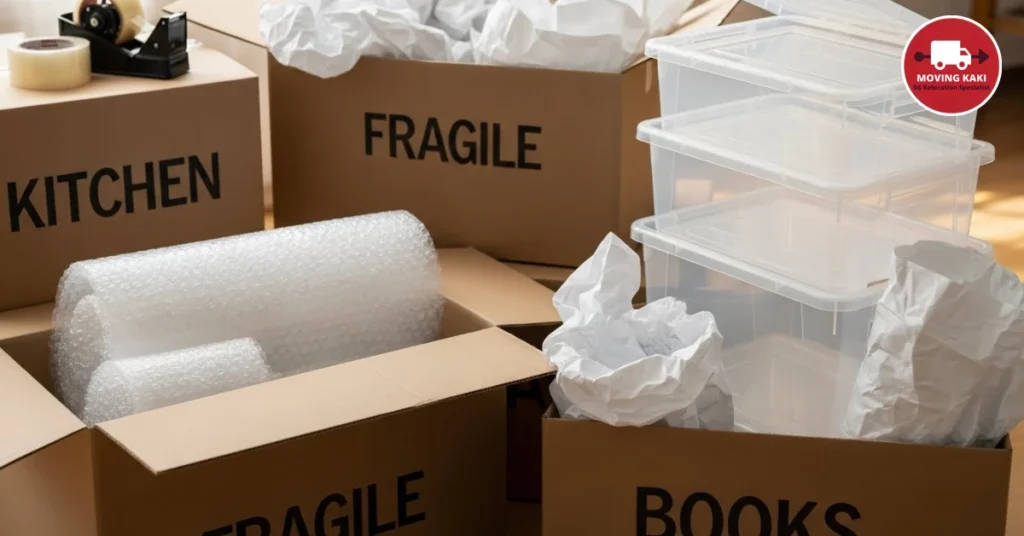
The materials you use make a real difference in long-term storage. Use sturdy, purpose-made boxes over weak cartons that may collapse after a few months. Protective wrapping, such as bubble wrap, packing paper, mattress covers, and plastic bins, shields items from dust, moisture, and pressure. When choosing storage containers, consider plastic bins vs cardboard boxes to determine which offers the best protection for your items. Think of packing materials as an investment; replacing damaged items later will almost always cost more than the extra time and money spent now.
If you prefer professional help, hiring packing services can save time and ensure items are packed safely with the right materials and techniques.
3. Prepare Items for Safe Storage
Cleanliness matters. Dust, moisture, and spills can lead to mould, unpleasant smells, or stains. Make sure all items are thoroughly cleaned and fully dried before packing, using moisture protection for storage if needed. Sorting items by type and importance keeps the storage unit organised and reduces clutter, making retrieval easier later. Pack with future access in mind, especially for packing documents, electronics, or other frequently used items.
4. Pack with Organisation and Clear Labelling
The organisation starts with grouping similar items together. Keep kitchen items, documents, clothing, and decor separate to prevent damage and confusion. Every box should be clearly labelled with its contents and the room it belongs to. Using consistent labelling boxes for storage makes it easy to spot what you need, even from a distance. An inventory list can also save time when retrieving items later.
5. Safeguard Fragile and Valuable Belongings
Fragile items require extra care. Wrap each piece individually and fill gaps in the box to prevent shifting. Electronics, glassware, and other delicate items benefit from their original packaging or additional padding and moisture barriers. Consider climate-controlled storage packing for sensitive items like electronics, wooden furniture, or photographs. Sentimental items, like heirlooms or photographs, deserve special attention, ensuring they remain safe for years.
6. Make the Most of Every Box
Packing strategically maximises space and prevents damage. Fill empty spaces in boxes with towels, clothing, or packing paper to stop items from moving. Stack boxes correctly, placing heavy boxes at the bottom and lighter ones on top, and balance the weight evenly. A well-packed box is a small victory in long-term storage management. Use vacuum packing for items like clothes or bedding to save space and prevent moisture damage.
7. Break Down Large Items to Save Space
Large items don’t always need to stay assembled. Disassemble beds, tables, and shelving units whenever possible; this saves significant space and makes them easier to move. Keep screws, fittings, and small parts in labelled bags taped to the main item to avoid losing anything. Wrap furniture surfaces to prevent scratches, dents, or dust buildup. This is especially important for packing furniture for storage.
8. Pack According to Storage Duration
How long items will be stored affects how they should be packed. Short-term storage requires basic protection, but long-term storage demands stronger boxes and better moisture and dust protection. Avoid sealing items in plastic where moisture can get trapped, and consider humidity-controlled storage in Singapore or waterproof packing for sensitive belongings. Small adjustments now can prevent warping, rust, or mould over time.
9. Arrange the Storage Unit Strategically
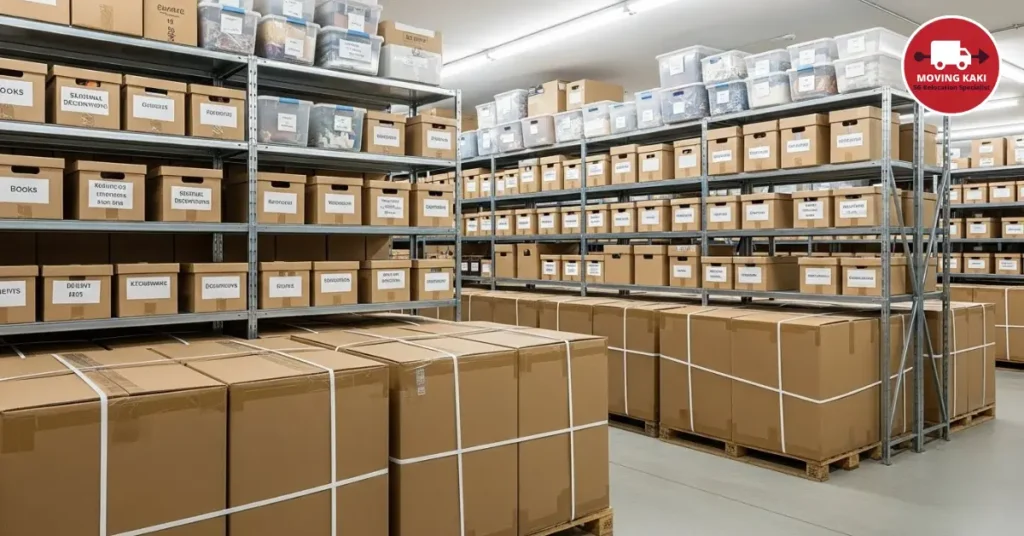
How you place items in your unit is just as important as how you pack them. Begin with heavy items at the base to create a stable foundation, then stack lighter boxes on top. Leave clear walkways so you can access items safely without moving everything around. Place items you may need frequently near the front. Choosing a secure storage space unit in Singapore can further protect sensitive belongings over time. Proper arrangement provides both safety and convenience, saving you headaches when retrieving your belongings.
Mistakes That Can Ruin Stored Belongings
- Packing too tightly or too loosely: Tight packing can crush items, while loose packing allows them to shift and break.
- Skipping protection for “strong” items: Even durable materials like wood, metal, and plastic can warp, rust, or crack over time.
- Ignoring long-term access: Poor layout can turn a storage unit into a frustrating puzzle when you need something.
Avoiding these common mistakes helps keep your belongings safe and gives you peace of mind throughout the storage period.
Conclusion
Careful packing does more than protect belongings; it safeguards the memories tied to them. When your items come out of storage clean, intact, and easy to find, the effort invested in planning, protecting, and organising pays off. Take the time now to plan ahead, pack with care, and label everything thoughtfully. A little preparation today ensures a smooth, damage-free storage experience and complete peace of mind when you return.
FAQs
1. What is the most efficient way to pack a storage unit?
Stack heavy items at the bottom, lighter ones on top, leave walkways, and group similar items together. Disassemble large furniture and use sturdy boxes.
2. How do I protect items in storage units?
Clean and dry everything first, wrap fragile items, use proper packing materials, and consider climate-controlled storage for sensitive belongings.
3. What items should you not put in a storage unit?
Avoid perishable food, flammable liquids, live plants or animals, and items sensitive to temperature or moisture unless using a climate-controlled unit.
4. How can I access my items easily in a storage unit?
Place frequently used items near the front, label boxes clearly, and leave walkways to reach items without moving everything.


